
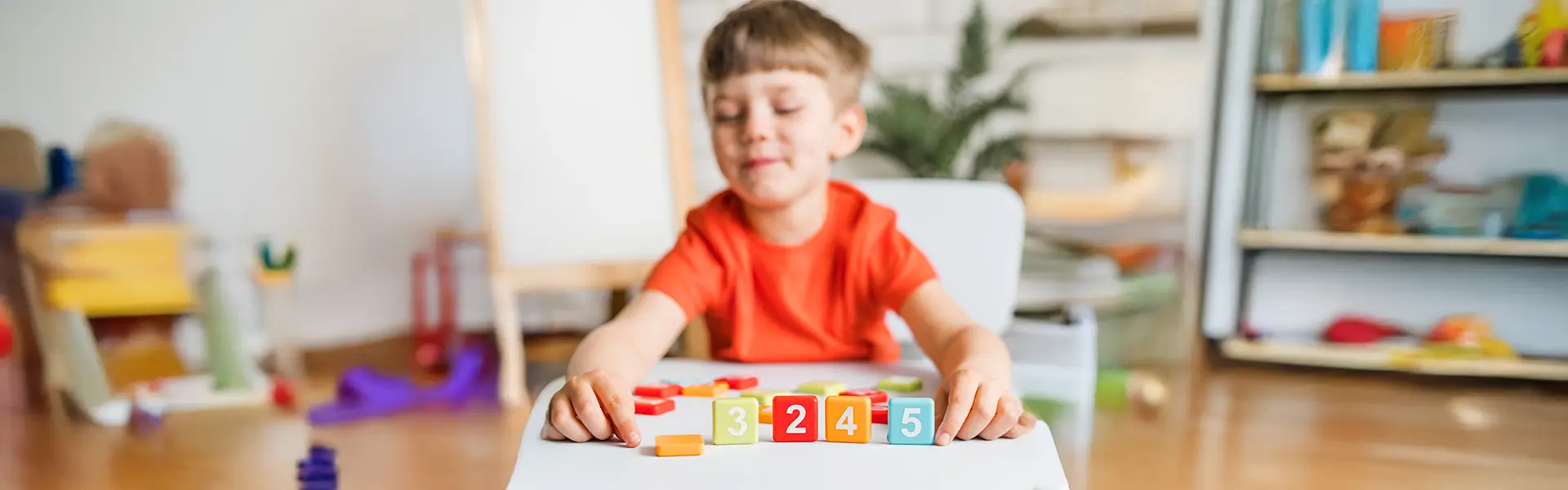
Montessori Curriculum Breakdown: Sensorial, Math, Language & Practical Life
Parents searching for quality Montessori schools in Cypress, TX, often want more than just daycare; they want a learning environment that nurtures independence, confidence, and curiosity from an early age. That’s exactly what the Montessori approach is designed to do. At Lycee Montessori School, children learn through hands-on experiences that naturally build academic, emotional, and practical life skills. Instead of relying on rote memorization, Montessori classrooms encourage exploration, self-direction, and purposeful learning. This method has become increasingly popular in modern early childhood education because it supports the whole child, not just academics. In this guide, we’ll break down the four foundational areas of the Montessori method:- Sensorial Learning
- Mathematics
- Language Development
- Practical Life Skills
What Makes Montessori Education Different?
Unlike traditional classrooms, Montessori education focuses on child-led learning in a carefully prepared environment. Dr. Maria Montessori developed this approach over a century ago, and today it’s used worldwide because of its proven benefits. According to the American Montessori Society, Montessori students often demonstrate:- Stronger problem-solving abilities
- Better social interaction skills
- Increased independence
- Higher engagement in learning
Key Principles of the Montessori Method
- Hands-on learning
- Mixed-age classrooms
- Freedom within structure
- Real-world skill development
- Respect for individual learning styles
Understanding the Montessori Curriculum in Cypress
Families exploring a Montessori curriculum in Cypress may notice that Montessori classrooms are organized differently from traditional schools. Instead of separate subjects taught through worksheets, learning areas are integrated into daily activities. The curriculum is typically divided into four foundational categories:- Practical Life
- Sensorial
- Language
- Mathematics
Practical Life: Building Independence Through Everyday Skills
Practical Life activities are often the first lessons children encounter in Montessori classrooms. These exercises help children develop:- Coordination
- Focus
- Responsibility
- Independence
- Confidence
Common Practical Life Activities
Children may practice:- Pouring water
- Buttoning clothes
- Sweeping floors
- Washing tables
- Preparing snacks
- Organizing materials
Why Practical Life Matters
Research shows that children who develop independence early often demonstrate stronger executive functioning skills later in life. Executive functioning includes:- Decision-making
- Self-control
- Time management
- Problem-solving
Expert Insight
Montessori educators often describe Practical Life as the “foundation” of the classroom because it prepares children for more advanced learning. At a quality Montessori daycare in Cypress, TX, these routines also help children feel secure and capable in their environment.Sensorial Learning: Refining the Five Senses
Sensorial education helps children understand the world through touch, sight, sound, taste, and smell. Montessori classrooms use specially designed materials that isolate specific concepts, such as:- Color
- Texture
- Weight
- Shape
- Sound
- Temperature
Examples of Sensorial Materials
Some classic Montessori sensorial tools include:- Pink Tower
- Brown Stair
- Sound Cylinders
- Color Tablets
- Geometric Solids
How Sensorial Activities Support Brain Development
Young children absorb information through sensory experiences. Montessori sensorial work strengthens:- Observation skills
- Memory
- Concentration
- Vocabulary development
- Spatial reasoning
Language Development in Montessori Classrooms
Language learning in Montessori environments begins long before children formally read or write. Children are constantly exposed to:- Rich vocabulary
- Storytelling
- Conversation
- Phonics-based activities
- Sound recognition exercises
The Montessori Language Sequence
The Montessori language curriculum generally follows this progression:- Spoken language enrichment
- Phonemic awareness
- Letter recognition
- Writing preparation
- Reading development
- Reading comprehension
Hands-On Language Materials
Montessori classrooms use tactile learning tools such as:- Sandpaper letters
- Moveable alphabets
- Object-word matching cards
- Phonics games
Why Montessori Language Learning Works
Children often learn writing before reading in Montessori settings because writing allows them to express sounds they already understand verbally. This sequence supports:- Natural literacy development
- Stronger comprehension
- Greater confidence in communication
Mathematics in Montessori Education
Montessori math introduces abstract concepts through concrete experiences. Instead of memorizing numbers first, children physically interact with mathematical ideas using specialized materials.Core Montessori Math Concepts
Children explore:- Number recognition
- Quantity relationships
- Place value
- Addition and subtraction
- Multiplication and division
- Fractions
- Geometry
Popular Montessori Math Materials
Examples include:- Number rods
- Golden beads
- Spindle boxes
- Stamp game
- Bead chains
Why Hands-On Math Is Effective
Research in developmental psychology suggests that children understand mathematical concepts more deeply when they manipulate physical objects. Montessori math materials help children:- Build logical thinking
- Develop number sense
- Understand patterns
- Solve problems independently
Benefits of Montessori Learning for Early Childhood Development
High-quality early childhood education shapes brain development during the most important years of growth. Montessori programs support development in multiple areas simultaneously.Key Benefits for Young Learners
Academic Growth Children develop strong foundations in:- Literacy
- Numeracy
- Critical thinking
- Scientific observation
- Respect
- Cooperation
- Emotional regulation
- Empathy
- Make choices
- Solve problems
- Complete tasks independently
- Take responsibility for their environment
How to Choose the Right Montessori School
Not all Montessori programs follow the same standards. When evaluating schools, parents should consider:Questions to Ask During a Tour
- Are teachers Montessori-certified?
- Is the classroom child-centered?
- Are the materials authentic Montessori materials?
- How are students assessed?
- What age groups are combined?
- How is independence encouraged?
Signs of a Strong Montessori Environment
Look for classrooms that are:- Calm and organized
- Child-accessible
- Interactive
- Purposefully designed
- Focused on hands-on learning
Why Families Choose Lycee Montessori School
At Lycee Montessori School, children experience a nurturing environment designed to support intellectual, emotional, and social development. The school’s approach focuses on:- Individualized learning
- Hands-on exploration
- Respectful guidance
- Age-appropriate independence
- Collaborative learning experiences
Final Thoughts
Understanding the Montessori approach helps parents make informed decisions about their child’s educational journey. From Practical Life and Sensorial learning to math and language development, the Montessori method supports the whole child through purposeful, hands-on experiences. For families researching Montessori curriculum in Cypress, choosing Lycee Montessori School, which values independence, curiosity, and individualized learning, can make a meaningful difference in a child’s long-term growth.FAQs About Montessori Curriculum
Is Montessori effective for kindergarten readiness?
Yes. Montessori programs help children develop literacy, math, focus, social skills, and independence, all of which are important for kindergarten success.
How does Montessori math differ from traditional math?
Montessori math uses hands-on materials that help children physically understand concepts before moving into abstract problem-solving.
Do Montessori students follow a structured curriculum?
Yes. Montessori classrooms are carefully structured, but children progress at their own pace within the prepared environment.
What should parents look for in a Montessori program?
Parents should look for certified teachers, authentic Montessori materials, mixed-age classrooms, and a strong emphasis on child-led learning.