
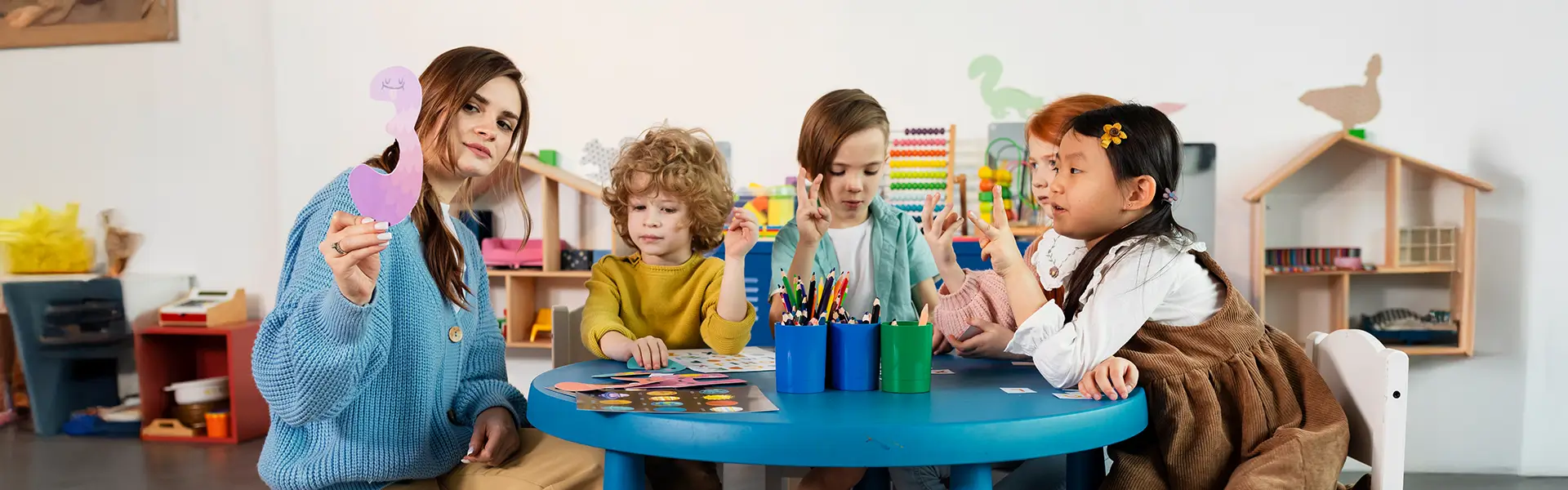
How to Choose a Safe, Nurturing Montessori Preschool in Cypress, TX
Quick Summary
- A high-quality Montessori program balances independence with caring adult guidance.
- Safety extends beyond secure buildings to include emotional well-being and respectful classroom culture.
- Authentic Montessori classrooms encourage curiosity through hands-on learning activities.
- Qualified educators observe each child’s progress and support individual growth.
- Touring a school helps families evaluate classrooms, teaching practices, and daily routines.
- Strong communication between educators and parents creates a positive learning partnership.
- Choosing the right preschool supports healthy early childhood development during the most important learning years.
Why Safety Means More Than Locked Doors
A quality, safe preschool environment protects children physically while also helping them feel emotionally secure. When children feel respected and supported, they are more willing to participate, solve problems, and build relationships with others. Research from organizations such as the National Association for the Education of Young Children (NAEYC) highlights that positive, responsive learning environments contribute to healthy social and emotional growth. Look for schools that demonstrate:- Secure entry procedures
- Well-maintained indoor and outdoor learning spaces
- Age-appropriate classroom materials
- Consistent supervision throughout the day
- Clear health and hygiene practices
- Respectful interactions between educators and children
What Makes Montessori Different?
Montessori classrooms encourage children to learn by exploring, making choices, and engaging directly with their surroundings instead of simply listening to lessons. Instead of relying primarily on worksheets or teacher-led instruction, classrooms are thoughtfully prepared so children can choose purposeful activities that match their developmental stage. Common features include:- Mixed-age classrooms
- Child-sized learning materials
- Individualized instruction
- Practical life experiences
- Sensory exploration
- Opportunities for uninterrupted concentration
How Hands-On Learning Builds Real Understanding
Young children understand new ideas more easily when they can explore them through real experiences. Rather than memorizing information, they develop knowledge through exploration, repetition, and meaningful experiences. Purposeful hands-on learning activities strengthen fine motor skills, language, early mathematics, concentration, and critical thinking. Examples may include:- Pouring and transferring activities
- Letter tracing using tactile materials
- Counting with concrete objects
- Nature observations
- Simple food preparation
- Puzzle and sequencing work
Questions to Ask During Your Preschool Visit
A school website provides useful information, but visiting in person offers valuable insight that brochures cannot. When you schedule a preschool tour in Cypress, pay attention to how children interact with educators and how classrooms are organized. Consider asking:- How are new children supported during the transition?
- What Montessori training do educators complete?
- How is individual progress observed?
- What does a typical daily schedule include?
- How are families kept informed?
- What safety procedures are followed throughout the day?
Signs of a Nurturing Montessori Community
A safe and nurturing Montessori preschool in Cypress focuses on the whole child rather than academic achievement alone. Healthy learning communities typically encourage:- Respectful communication
- Independence with appropriate guidance
- Collaboration instead of unhealthy competition
- Opportunities for movement throughout the day
- Consistent daily routines
- Individual learning at each child’s pace
Supporting Early Childhood Development Every Day
The first five years bring rapid brain growth, language development, social learning, and emotional regulation. Quality preschool experiences contribute to early childhood development by encouraging children to:- Build self-confidence
- Develop communication skills
- Practice cooperation
- Strengthen attention span
- Improve coordination
- Solve everyday problems independently
Is a Montessori Preschool Right for Your Toddler?
Families searching for a preschool for toddlers often wonder whether Montessori is appropriate for younger learners. Many toddlers thrive in Montessori settings because classrooms are designed around their natural desire to move, imitate, explore, and practice independence. Children are encouraged to:- Wash hands independently
- Put away classroom materials
- Participate in practical routines
- Build vocabulary through conversation
- Explore carefully prepared learning materials
Final Thoughts
Choosing a Montessori preschool in Cypress, TX, is about finding a community where children feel secure, respected, and inspired to learn every day. During your search, observe how educators interact with children, explore classroom routines, and ask thoughtful questions about safety, communication, and Montessori practices. Taking the time to visit schools can give you confidence that your family’s educational values align with the learning environment. If you’re exploring local options, Lycee Montessori School offers families the opportunity to experience its classrooms firsthand and learn more about its child-centered approach.FAQs
How do I choose a Montessori preschool in Cypress, TX?
Look for authentic Montessori practices, qualified educators, strong safety procedures, prepared classrooms, and opportunities to observe children learning during a school visit.
What should I look for during a preschool tour in Cypress?
Watch how educators interact with children, examine classroom organization, ask about safety protocols, daily routines, communication, and Montessori teacher training.
Is Montessori a good choice for toddlers?
Many toddlers benefit from Montessori because activities encourage independence, movement, language development, and age-appropriate exploration within a structured setting.
What makes a preschool environment safe for young children?
A safe setting combines secure facilities, attentive supervision, clean classrooms, emergency procedures, and an emotionally supportive atmosphere where children feel respected.
How do Montessori classrooms support early childhood development?
Montessori classrooms promote cognitive, social, emotional, language, and motor development through purposeful activities, independent exploration, and individualized guidance.
How can I find a Montessori preschool near me that follows authentic practices?
Ask whether educators have Montessori-specific training, observe classroom materials, and confirm that children engage in self-directed learning with teacher guidance.
What questions should parents ask before enrolling in a preschool?
Ask about teacher qualifications, classroom ratios, daily schedules, communication with families, safety policies, transition support, and opportunities for parent involvement.
When should I schedule a preschool tour in Cypress before enrollment?
Scheduling several months before your preferred start date provides time to compare programs, ask questions, complete enrollment requirements, and prepare your child for the transition.